

Construction Cash Flow: Why Trades Businesses Run Out of Money (and How to Stop It)

Your crews are booked, your phone won't stop, and somehow you're waiting on a new customer's deposit to buy materials for a job you're already finishing. From the outside, your business looks like sunshine and steady growth. From your side of the desk, construction cash flow feels like a thunderstorm that arrives every Friday carrying a payroll report.
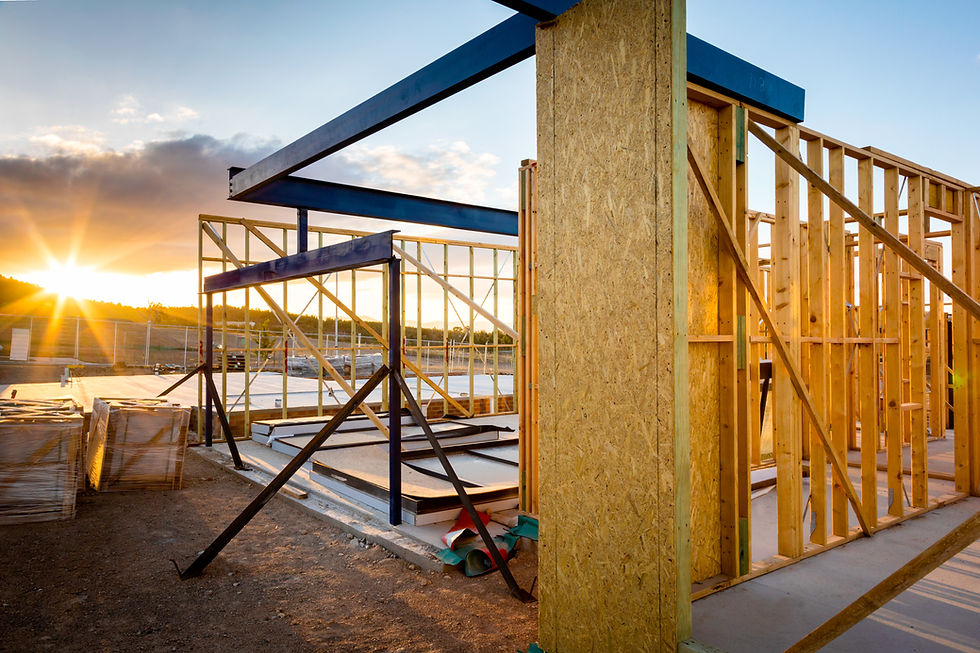
Construction cash flow gets squeezed when you pay for materials and labor before the job pays you, then gets dangerous when the next customer's deposit becomes the only way to finish the last customer's work. Selling another job can relieve the pressure, but it won't fix poor budgeting and job costing unless you change how that next job runs. For the basic explanation of profit versus cash, start with Cash Flow Problems: Why Profitable Small Businesses Still Run Out of Money. Here, you're dealing with the particular weather that hits contractors and the trades, including how to stop making tomorrow's customers pay for yesterday's mistakes.
Unboxed Wisdom: The Payday Weather Report
The next sale isn't the cure by itself. Fix the budgeting and costing first, or a bigger sales month just creates more underfunded work.
Your deposit already has a job. Treat it as money committed to that customer's project, not permission to spend whatever's in the account.
A markup is a plan, not a result. Track actual costs every week so mistakes, extra labor, and unbilled changes don't quietly consume it.
Test your nearly finished jobs. Could you complete them without another customer's deposit? Your answer tells you more than your sales total.
Price the request before approving the change. Use a form, a paid review process agreed in the original contract, and a signed change order before discretionary extra work.
Forecast the actual cash dates. Your next 13 weeks should show purchases, payroll, draws, and retainage by job, not just total sales.
Make one project fund itself completely. Then repeat that process, using that profit to clear old commitments and build your rainy-day reserve.
What Makes Cash Flow in Construction Different?
You're often paying to create the finished product long before you can collect its price. Office businesses can have slow-paying customers too, but your business can stack material purchases, crew payroll, inspections, payment applications, and retainage onto the same project. Construction payments may also pass through several reviews and approvals before reaching you.

As a general contractor, you might have subcontractor commitments and equipment rentals starting before the first draw. As a remodeler, you might order cabinets weeks before installation. Your supplier's payment schedule and your customer's payment schedule don't automatically shake hands and become friends.
Running an HVAC business? You might buy the equipment before the installation produces its next payment. In plumbing and electrical, fixtures, equipment, and rough-in labor can come well before the next billing milestone; in roofing, a substantial materials bill can arrive before your crew tears off the first square.

Suppose your crew costs $12,000 a week and you're covering six weeks before the corresponding customer payment arrives. That's $72,000 of payroll alone! Whether your customer pays in 30, 45, or 60 days, Friday keeps showing up with impressive consistency.
Your work can be worth doing and still require cash you haven't planned for. The trouble starts when you can't tell whether you're waiting on money the job will earn or covering money the job has already lost.
Are You Robbing Peter to Pay Paul?
You're in the Peter-to-Paul cycle when incoming deposits repeatedly pay for obligations from earlier jobs. Each sale clears the immediate forecast, but the storm hasn't gone anywhere. You've just moved it onto the next customer's project.

An unfinished job needs another $15,000. You sell a new project, collect a $20,000 deposit, and use $15,000 to finish the old one. The new project now has $5,000 available, even though your plan assumed it would start with the full deposit.
When that project's materials bill arrives, you need another customer to sign. Sales climb, your calendar fills, and everyone thinks you're growing. Meanwhile, you have to keep selling faster just to meet promises you've already made.

Selling the next job is the symptom. Poor budgeting and job costing are the disease. Trying to sell your way out without fixing them is like trying to lose weight by exercising more while still eating more than you burn: more effort, same underlying problem.
Could You Finish What You've Already Started?
Look at the jobs you're close to finishing. Add up the remaining materials, crew time, subcontractor bills, and other costs, then compare those obligations with the cash reserved for those jobs and their remaining collectible payments.

Pro Tip: Ask yourself whether you could pay to finish those projects if no new customer made a deposit this week. Don't judge the answer; write it down and see what it tells you.
Other warning signs are harder to spot because they can feel normal. You're using one customer's deposit to buy another customer's materials, or landing a sale brings relief because this week's bills are finally covered. Every slowdown turns into a cash emergency, and you don't know whether individual jobs made money.
This is extremely common in the trades, and it doesn't mean you're bad at business. It means something important about running the money hasn't been built yet. You can learn it, and you can change the pattern!
Why Does the Cycle Keep Repeating?
You have a genuine talent for getting things done. You can solve a jobsite problem, reorganize a crew, and make progress when somebody else would still be staring at the plans. That's something to be proud of.

But without knowing how to budget a job or pace its draw points, that same get-it-done instinct makes another sale feel like the fastest fix. Your strength is pointed at the immediate shortage instead of the reason it keeps happening.
You understand profit; you put a markup on your estimates. The misunderstanding is often about when the money becomes yours to spend. For spending purposes, it's not your money until the job is done.
The order is the job first, overhead second, and you last, from what's actually left after the business's obligations are covered. Your budgeted pay for labor or management belongs in the costs; this is about taking money out as profit. A healthy-looking bank balance doesn't change that order.
One account for everything can make this harder to see. Deposits, progress payments, taxes, and money earned from completed work all look identical on the banking app, even though they already have very different responsibilities.

How Dangerous Can It Get?
Too often, this ends in bankruptcy when sales slow down, because the owner is much deeper in than they realized. The slowdown doesn't create every unpaid obligation. It removes the new deposits that were hiding them.
That's when fast loans and advances with expensive terms and weekly payments start looking attractive. In the Federal Reserve's 2026 small business credit report, 60% of firms that borrowed from online lenders said their actual costs came in higher than expected, compared with about a third of bank borrowers, and high interest rates and unfavorable repayment terms topped their list of complaints. More money can arrive quickly while making the following weeks even harder.

These lenders may be technically legitimate, but I consider the ones selling costly rescue money into this cycle predatory. They know the cycle exists and wait at the bottom of it. Before signing anything, read Cash Flow Solutions for Small Business for the financing discussion, not just the promise of fast approval.
There's legal danger here too. Florida Statute 713.345 generally requires money received for improving a property to pay amounts already due for labor, services, and materials on that same job first. Knowingly and intentionally misapplying those funds can be criminal, and licensed contractors convicted under the statute also face discipline. Confirm how project funds must be handled with a construction attorney in your state.
How Do You Break the Cycle?
Find out what you already owe. List every active job's unpaid bills, remaining cost to finish, reserved cash, and expected collections. Include obligations left over from completed jobs so you aren't ignoring yesterday's problems.
Give every deposit its own job. Track customer funds separately in your records and consider a separate account where that helps you maintain control. Moving money between accounts won't replace missing cash, but it can make the commitments harder to overlook.
Budget every new project before accepting it. Include materials, fully loaded labor, subcontractors, equipment, permits, overhead, and target profit. Don't stop the estimate at the crew and the supplier.
Check actual costs against the budget every week. Include purchases you've committed to and an updated estimate of what's still needed. Waiting until the final walkthrough leaves you with an explanation instead of an opportunity to change something.
Fix your pricing and draw schedule. Future work needs to cover its real costs and produce enough profit to support the business. Don't keep accepting the same bad terms because you've become good at surviving them.
Sell better work, then protect what it earns. Each new job needs to fund itself first. What's left once it's paid for can then help clear existing commitments and become operating capital for the next job, instead of its deposit creating another underfunded project.

The way out can absolutely involve more sales, but they have to be different sales: properly budgeted jobs, priced correctly, and enough of them to cover what you already owe in full. You also need a plan for bills that come due before those profits arrive. Future profit doesn't pay a supplier who needs payment today.
Sometimes the answer includes work you thought you'd moved beyond. A client of ours who owned a homebuilding company spent his weekends building porches and decks to bring in quick, high-margin cash while he dug out. Other clients have taken on similar small jobs they thought were behind them.
You may have to eat some humble pie. That isn't a verdict on your ability; it's a choice to do what gets the business healthy again.

Recovery depends on your ability to sell and market, your local market, your willingness to make tough choices, and what you're prepared to do personally. There isn't an honest universal timeframe, and there's no shame in needing help with the numbers.
Job costing is the real cure for not knowing whether your work supports itself. We cover it in depth in our separate job-costing article; here, you need enough visibility to stop making each sale responsible for the last one.
Why Do Profitable Contractors Still Run Short?
Sometimes you've priced the job correctly and the payments simply lag behind the spending. Other times, the profit existed in the estimate but disappeared during the work. You need to know which problem you're solving.

A markup is a plan, not a result. Profit gets earned or lost through the job: extra labor, mistakes, purchases that drift over budget, and changes nobody bills. When I ask whether a specific project actually made money, the most common answer by far is, “I don't know.”
That answer gives you somewhere to start. You don't need to become an accountant overnight, but you do need to stop treating the estimated profit as though it survived automatically.
Consider the timing problem first. You finish work immediately after a monthly billing cutoff, wait nearly a month to submit it, then wait through review and the agreed payment period. Your crew doesn't stop getting paid while the paperwork waits.
Underbidding is different. A $50,000 contract with $52,000 in real costs won't become profitable because the customer pays faster. You'll simply discover the $2,000 loss with greater efficiency.

Warranty callbacks deserve the same honesty. Two technicians, half a day, another drive, and a replacement part can consume money you thought the finished job had earned. Track those costs against the original project and use what you learn when pricing the next one.
Before adding another permanent crew, revisit How to Hire Your First Employee. Keeping a core team creates an ongoing cash commitment, including during the weeks when customers aren't sending checks. More capacity helps when the work supports it, not when it just makes the old pattern bigger.
How Does Retainage Drain Your Cash?
Retainage in construction is part of an earned payment withheld until specified project or contract conditions are met. Your portion of the work can be finished while that money remains tied to later milestones or overall closeout.
Whether your contract calls for 5% or 10%, plan for that money to be unavailable until the release conditions are satisfied. Don't count it as next Friday's payroll just because your crew has packed up.

Take a $100,000 job with $92,000 in total costs, including its share of overhead. With 10% retainage still held, you've collected $90,000 against $92,000 of costs. Your expected $8,000 profit hasn't become available cash, and you're still covering $2,000 yourself.
That's a profitable job creating a real cash shortage. Without a plan, the next customer's deposit starts looking awfully convenient again.
Track retainage by job, including the amount, release requirements, paperwork, and person responsible for requesting it. Ask for a reduction or partial release at substantial completion where your contract and state law allow. Getting the work finished and getting the last payment released are two separate tasks.
Retainage limits, prompt-payment rules, and lien notices and deadlines vary by state and project type. Have a construction attorney in your state confirm the rules and a construction CPA help you plan for the collection gap.
What About Change Orders and Pay-When-Paid Clauses?
Both can leave you paying for work without a dependable collection date. With change orders, you can often prevent the problem before the crew touches anything. Payment clauses require you to understand the wait before agreeing to it.
Don't Let Customers Redesign the Job Mid-Build
One of the biggest money leaks is accepting changes on the spot. Your customer asks to move an outlet, change a fixture, add another return, or rethink part of the layout, and your helpful instinct says yes before your budget gets a vote.
Two weeks later, the extra work is done, the schedule has shifted, and the price still lives somewhere between your memory and a text message. That's how a small change in the forecast turns into a week of rain.

Use a simple process: the customer submits a change-order request form, you review it, then you make a decision or present a revised estimate. The approved change order should spell out the scope, price, schedule impact, and payment terms before discretionary extra work begins.
Build a non-refundable change-request review fee into the original contract, payable when the request is submitted. You're charging for the defined work of assessing the request, estimating it, and presenting the option, whether the customer ultimately buys that change or not. You're not charging a fee to fix your own mistakes.
That fee also helps a customer distinguish a change they really want from something they thought of while walking through the unfinished room. Your time has value, including the time spent explaining why moving that wall changes more than the wall!
Quick Tip: Separate “please price this” from “yes, build it.” The request starts the paid review; the signed change order authorizes the extra work.
Once the process works, Small Business Automation can help route requests, collect approvals, notify the office, and trigger billing reminders. Get approved changes into the next permitted billing cycle instead of letting them sit in somebody's phone.
Know Whose Payment You're Waiting For
A pay-when-paid clause generally ties the timing of your payment to the contractor receiving payment from the owner. A pay-if-paid clause goes further by attempting to make that receipt a condition of the contractor's obligation to pay you at all.

Before committing, find out when your work enters the payment application, who approves it, and what happens when the owner disputes something unrelated to your scope. You're trying to build a payment forecast, not win a surprise introduction to somebody else's accounts-payable department.
Have a construction attorney in your state review the payment clauses and your change-request process, including the fee and refund terms. Clear, enforceable terms agreed before work starts protect you much better than a policy invented halfway through a disagreement.
How Do You Collect Money Earlier on a Job?
Build the payment schedule alongside the job budget, before you commit to the work. You're trying to match collection points with the costs of producing the job, not simply choose deposit amounts that sound familiar.

A deposit helps cover the project's initial commitments. A mobilization fee or line item covers defined startup work, such as moving equipment and setting up the site; your agreement should explain what it pays for and when it's due. Neither one becomes free spending money because it arrived early.
For a remodel, tie progress billing to clear stages in the actual sequence of work. For an installation, spell out which delivery, installation, testing, or acceptance milestones trigger payment. Don't leave yourself paying for nearly everything before reaching the next draw.
Some projects require a schedule of values and formal payment applications. AIA's G702, Application and Certificate for Payment, and G703, Continuation Sheet, are industry-standard forms for recording progress, stored materials, retainage, changes, and amounts requested. AIA sells these documents, so they're paid forms, not free government templates.
Pro Tip: Put billing cutoffs and draw milestones on the same calendar as the work. Assign a person to submit each bill as soon as it's eligible, because an invoice still sitting in your truck is a weather delay you created yourself.
What Happens When Better Sales Fill the Schedule?
Selling enough profitable work to recover creates a capacity problem. You can't promise every customer an immediate start without overloading the same crews you're relying on to finish well.

A realistic waiting list can help. Customers can reserve a future spot with a deposit under clearly agreed terms, and an honest backlog can also signal that your work is in demand. The deposit still belongs to that future job's plan; it isn't permission to spend its materials budget on an older project.
Florida gives you a concrete reason to get the timeline right. Under Statute 489.126, an initial payment exceeding 10% of a residential contract generally requires you to apply for necessary permits within 30 days of payment and start within 90 days after all necessary permits are issued. The homeowner can agree in writing to longer periods.
Missing those deadlines without just cause can lead to criminal prosecution under the statute's written-demand and intent provisions. For a waitlist deposit, agree to the longer permit and start timelines in writing upfront, not after a deadline passes. Have a construction attorney in your state review your deposit, mobilization, and waitlist terms before using them.
Where Does the Next Profitable Work Come From?
Marketing is often the part you haven't given enough attention while you've been busy finishing everybody's jobs. A recovery plan that requires more profitable sales needs a practical way to produce those opportunities, not just a hopeful glance at the phone.

Start with Local SEO for Small Business and Can You Remove a Bad Google Review? Here's What Actually Fixes It. Those guides cover being found and building the kind of customer feedback that helps the next person feel comfortable calling you.
Then price and schedule the work properly. More leads are useful; more commitments you can't profitably deliver are not.
How Do You Build a Construction Cash Flow Projection?
Build your construction cash flow projection job by job, then combine those jobs into a weekly company forecast. Start with the next 13 weeks and update it every week as purchases, schedules, and expected payments change.
Want a head start? Grab our free 13-week construction cash flow template. It's built for contractors, and it even gives you a weather report for every week!
The SBA's financial-management guidance starts with proper bookkeeping and understanding your numbers. You need that foundation here, because missing bills and wishful collection dates don't become more reliable when you put them in a spreadsheet.
Put Every Active Job on a Calendar
For each job, enter expected deposits, progress payments, approved change-order collections, final payments, and retainage releases. Use the week you reasonably expect the money to arrive, not merely the week you plan to send the invoice.

Against those receipts, schedule material payments, crew payroll and related costs, subcontractors, rentals, permits, and remaining completion costs. Include purchases you've committed to but haven't been invoiced for yet. Your supplier's memory is probably excellent.
Already-received deposits belong in opening cash, not in future receipts again. Unapproved extras and uncertain retainage releases shouldn't quietly turn into guaranteed money in your base forecast.
Add the Company Bills Without Counting Them Twice
Combine the jobs, then add office payroll, rent, insurance, taxes, debt payments, and owner compensation. Your job budgets may allocate overhead across projects, but the cash forecast should show those actual overhead payments only once.
Each week, calculate opening cash + expected receipts − planned payments = closing cash. Carry that closing cash into the next week, while identifying money already committed to particular jobs.
That last part matters to your spending decisions. A positive bank balance can still contain money you need to finish work that hasn't happened yet.
Look for the Bad Week, Not the Good Month
You start with $30,000. In week one, $20,000 comes in and $35,000 goes out, leaving $15,000. In week two, $10,000 comes in and $30,000 goes out, leaving a $5,000 shortfall.

A $40,000 draw expected in week three doesn't solve week two's payroll. Now you can pursue eligible earlier billing, address a collection problem, adjust an agreed start date, or assess appropriate financing before the account runs short.
Run a second version with a major draw arriving two weeks late and weather pushing back a billing milestone. That's more useful than “the check should be here soon,” which has roughly the predictive value of a plastic flamingo in a snowbank.
You're not predicting every possible problem. You're giving yourself enough warning to make decisions before Friday makes them for you.
How Do You Survive the Slow Season?
Prepare for the quieter stretch while the busy stretch is still producing cash. Your reserve should come from your actual collection and expense patterns, not from assuming your busiest month represents normal life.

HVAC business cash flow needs to account for heating and cooling peaks. Roofing has its own weather limits: the Bureau of Labor Statistics notes that roofers generally don't work during inclement weather and that northern winters can limit available work. Your local climate and service mix determine the calendar.
Extend the weekly forecast into a monthly view covering the next year. Find the lowest projected cash point after realistic receipts and essential payments, including the core crew you intend to keep.
Suppose your forecast shows a $35,000 cumulative shortfall through the slow stretch. Keeping another $10,000 available for unexpected needs means entering that stretch with $45,000 that isn't already committed elsewhere. That covers the projected shortage while preserving the extra $10,000.
Build toward that target with regular transfers after accounting for job commitments and taxes. A future customer's material deposit isn't your rainy-day fund wearing a different hat.
You can also plan suitable work for quieter periods. For HVAC, that might mean properly priced maintenance visits before peak demand; for roofing, inspections, maintenance, and repairs may help when conditions permit.
Just don't turn prepaid maintenance into Peter paying Paul in a service van. You still owe the customer the future labor and materials, and your forecast needs to preserve the ability to deliver them.
The weather won't always cooperate. Your preparation can!
What Does a Healthy Trades Business Look Like Financially?
Your first meaningful milestone is one project completed from start to finish with that project funding itself. Its costs are paid, its share of overhead is covered, and the next customer's deposit wasn't needed to get it across the finish line.

I've seen builders who were living paycheck to paycheck end up genuinely well off once each job funded itself. Home builds, additions, and accessory dwelling units can carry large dollar margins that this cycle quietly consumes. That's something I've seen, not a promise about every builder's outcome, but it's a good reason to take the fix seriously!
A healthy business can tell you what each job should earn, what it has cost, and what remains. You know which completed work hasn't been billed, which payments are overdue, and how much retainage is outstanding. A slower sales week doesn't immediately expose a pile of old bills.
Stop Letting the Bank Balance Make Your Decisions
The habit to change is spending freely because money appears to be available. Before a purchase, check the job budget, upcoming bills, and cash forecast, not just the number at the top of the banking app.
You and those of us at Out of the Box Advisors are all capable of mistaking a good deposit day for a permanent improvement in our financial judgment. Apparently, the banking app doesn't come with an adult who says, “Put that back.”

Put someone who understands the jobs between those jobs and the bank account. That might be a capable construction bookkeeper or financial manager who reviews spending against the budgets, with an agreed approval process that applies to you too.
Larger builders have controllers and finance teams for a reason: somebody needs to watch the budgets, commitments, and overall cash position. Controllers oversee financial reporting and often accounting and budgeting, while cash managers monitor incoming and outgoing funds. Your version can be smaller, but the responsibility still needs an owner.
It takes guts to hand over that control. You might feel like you're living on microwave ramen and asking permission to spend a single nail, but the point isn't to punish you. It's to stop one pressured decision from undoing the progress you're making.
You still lead the business. Now you're giving yourself the support to lead it without needing a new sale every time the clouds gather.
Ready for a Calmer Forecast?
If cash keeps running short no matter how busy your crews are, that's an operations conversation. Pricing, purchasing, scheduling, job costing, billing, and closeout all affect whether your hard work becomes money you can actually use.
Out of the Box Advisors has been coaching small business owners since 2012, and these are the connected decisions coaching helps you work through. We've worked with residential builders and home-service companies who've been exactly where you are. You don't need to arrive with perfect books or an impressive explanation of what went wrong. You need a willingness to look honestly at what's happening and start changing it.

Sometimes your first need is a construction CPA or better bookkeeping rather than coaching. When the challenge extends into how you price, organize, and run the business, 9 Signs That You Need a Business Coach can help you decide whether that support fits.
Ready to get out of the box and grow smarter, not harder? Book your free business coaching consultation with Out of the Box Advisors today.
Here's to fewer financial thunderstorms and Fridays you can actually enjoy. You've got this!
Frequently Asked Questions
What is cash flow in construction?
Cash flow in construction is the timing and movement of money into and out of your contracting business. It includes customer payments alongside spending on materials, labor, subcontractors, equipment, and overhead. Your forecast needs to show when each job's costs and collections happen, not just whether the estimate includes profit.
What are the best cash flow improvement strategies for a construction company?
Budget every job, check actual costs weekly, and agree on deposits and progress payments before work begins. Use a documented change-request process, bill approved work promptly, and keep each project's funds assigned to that project. More sales help when the new jobs fund themselves and leave real profit behind, not when their deposits keep older jobs going.
How do I do a construction cash flow projection?
List each active job's expected collections and payments by week, then combine them with company-wide bills. Carry each week's ending cash into the next, avoid counting deposits or overhead twice, and identify cash already committed to unfinished work. Update the forecast weekly and test what happens when a major payment arrives late.
What is retainage in construction?
Retainage is part of an earned payment withheld until specified project or contract conditions are satisfied. The percentage and release requirements depend on the contract and applicable law. Track it separately and check whether a reduction or partial release is available at substantial completion.
What is a mobilization fee?
A mobilization fee or line item pays for defined startup activities, such as moving equipment and setting up the jobsite. Your agreement should explain what it covers and when payment is due. It doesn't turn project funds into owner profit or replace the need for properly written deposit terms.
Why do profitable contractors run out of cash?
You may pay crews and suppliers before collecting progress payments, change orders, or retainage. Other jobs only appear profitable because the estimate's markup hasn't been checked against actual costs. Using the next job's deposit to cover those shortages keeps the problem hidden until sales slow down.
How do HVAC and roofing companies handle slow seasons?
Use your own seasonal history to forecast the quieter periods and build a reserve before they arrive. Schedule suitable maintenance and service work while budgeting for the core team you intend to keep. Preserve enough money to deliver prepaid services rather than treating those receipts as spare cash.
Why do roofing companies need working capital?
Roofers often buy materials and pay crews well before the customer's payment arrives, and weather can stall work for days at a time. Working capital is the cash cushion that covers those gaps without borrowing from the next customer's deposit. The more seasonal your market, the bigger that cushion needs to be.
How do construction companies manage cash flow between jobs?
Forecast each job's collections and costs by week so you can see the gap before it arrives, and build a reserve from completed jobs' profit rather than new deposits. Plan smaller service work for quiet stretches, and set billing milestones so final payments don't all land weeks after the crew moves on.